All Aboard the Design Express: A Vintage Locomotive for Your Brand
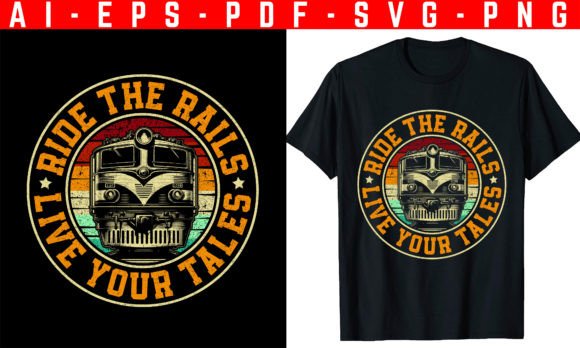
There is a timeless romance associated with the railways—a sense of adventure, industrial grit, and classic Americana that never really goes out of style. If you have ever stood on a platform and watched a steam engine pull in, you know that feeling of power and nostalgia. Translating that feeling into a physical product, however, requires more than just a good idea; it requires a versatile, high-quality vector asset. That is exactly why having access to a robust digital package like the Ride the Rails (Train) T-shirt Design is a game-changer for anyone running a print-on-demand business or managing a creative brand.
The Anatomy of a High-Quality Vector Asset
When we talk about this specific design, we aren't just talking about a static image. We are talking about a comprehensive toolkit. In the digital design world, versatility is king. You might need a crisp, scalable graphic for a massive storefront poster today, and a simplified icon for a social media profile picture tomorrow. This is why the composition of the file package matters so much. The inclusion of an AI file and an EPS file is critical for professional designers using Adobe Illustrator, Inkscape, or Corel Draw. These formats allow you to deconstruct the artwork, change colors to match specific brand palettes, or resize the locomotive to fit anything from a baby onesie to a billboard without losing a single pixel of resolution.
For the modern crafter or small business owner utilizing cutting machines, the SVG file is the hero of the package. If you are working with a Cricut Explore or Silhouette Designer Edition, SVGs ensure that your cutting lines are smooth and precise. This means no jagged edges on your heat transfers or vinyl decals. Additionally, the PNG file with a transparent background and 300 DPI resolution is the workhorse for quick mockups and web overlays. You can drop this "Ride the Rails" graphic onto a t-shirt mockup in Photoshop or Canva instantly to see how it looks before you commit to production.
More Than Just Merchandise: Practical Applications
While the primary use case is apparel—specifically creating a standout vintage t-shirt—the utility of a well-drawn train design extends far beyond the clothing rack. Think about the visual language of transportation and movement. It communicates progress, reliability, and journey. These are powerful concepts in branding.
Consider a local coffee shop looking to brand their packaging. A stamp of this locomotive on a paper coffee cup sleeve creates an industrial-chic aesthetic that feels artisanal and handcrafted. For a travel blogger, this design could serve as a header image or a watermark on photography, reinforcing the theme of exploration. Even in editorial design, such as a magazine layout or a blog post about history or engineering, this graphic adds immediate visual interest and context.
Here are a few specific ways you can leverage this asset in your projects:
- Logo Design Elements: You don't have to use the whole train. Isolating a specific part of the vector—the wheels, the smoke stack, or the typography—and integrating it into a circular badge logo can create a unique brand mark for a mechanic shop, a brewery, or a transport company.
- Social Media Graphics: Use the transparent PNG to create "announcement" graphics. The metaphor of "getting on board" with a new product launch or a "limited run" sale pairs perfectly with train imagery.
- Physical Decor and Signage: Because the file includes formats suitable for large-scale printing, you can easily create wall art for a child's bedroom, a nursery, or a themed restaurant. The vintage aesthetic fits naturally with rustic interior design trends.
- Digital Products: If you sell planners or digital stickers, a train sticker set is a fun addition for digital planning enthusiasts.
Designing for the "Ride the Rails" Aesthetic
There is a specific visual psychology behind the "Ride the Rails" look. It usually implies a hand-drawn, distressed, or vintage style. When you are working with this design, you are tapping into a "heritage" aesthetic. This style works incredibly well because it feels authentic. In a market saturated with glossy, hyper-modern vector art, a gritty, retro train design offers a tactile, human quality.
However, to make this work in a professional capacity, you have to think about context. If you are selling this on a t-shirt, the fabric color matters immensely. This style often pops best on neutral tones—greys, heathered browns, off-whites, and olives. These colors mimic the look of workwear and vintage uniforms, which complements the train theme.
If you are using this for a client's brand identity, ensure that the supporting typography matches the vibe. A rugged, industrial design like this rarely pairs well with a delicate, thin sans-serif font. Instead, look for bold, slab-serif typefaces or vintage-style display fonts that can hold their own against the heavy visual weight of the locomotive. The goal is visual consistency; the logo, the packaging, and the social media graphics should all speak the same dialect.
The Business Case for Customization
One of the most significant advantages of working with a professional designer who offers custom bundles is the ability to stand out. The digital marketplace is vast, and while the included files provide a fantastic starting point, having the option to order a custom design allows you to tailor the "Ride the Rails" concept to your specific niche.
Perhaps you are a small business owner who runs a coffee roasting company. You might want the train concept, but you want the cargo cars to be overflowing with coffee beans instead of generic freight. Or maybe you are a content creator focused on productivity, and you want the train to represent "full steam ahead" on goals. Customization turns a generic asset into a proprietary brand asset.
Furthermore, the value of a high-resolution, vector-based workflow cannot be overstated. When you buy a design, you are buying the rights to scale it. A rasterized image (like a low-res JPEG) becomes blurry when you enlarge it. A vector file (AI, EPS, SVG) is built on mathematical equations, meaning it remains sharp whether it is the size of a postage stamp or the side of a van. For a print-on-demand business, this ensures that your product quality remains consistent across different suppliers and printing methods.
Streamlining Your Workflow
Efficiency is the currency of the creative entrepreneur. Spending hours trying to redraw a complex steam engine from scratch is rarely a good use of time when you have a business to run. By utilizing a pre-made but professional-grade design file, you shortcut the production process. You can go from concept to a live product listing in a fraction of the time.
This efficiency allows you to test market trends quickly. If you notice that vintage industrial themes are trending on Etsy or Amazon Merch, you can deploy this asset immediately. You have the SVG for your vinyl decals, the PNG for your digital mockups, and the vector files for your screen printing separations. It covers all bases, allowing you to focus on marketing, customer service, and growing your brand rather than getting bogged down in the technicalities of bezier curves and anchor points.
Ultimately, the "Ride the Rails" design is more than just a picture of a train. It is a versatile piece of visual communication that can convey strength, nostalgia, and adventure. Whether you are printing it on a cotton tee, embossing it on a business card, or using it as a graphic element in a video, it provides a solid foundation for creative work that resonates with audiences. By combining high-quality file formats with thoughtful design application, you can ensure your projects always arrive at the right destination.