But First Brains: A Fresh Take on Wearable Design
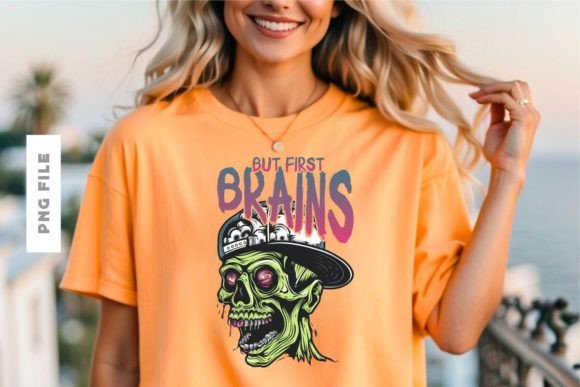
There’s a particular kind of design that stops the scroll. It’s not just about clever copy or bold graphics; it’s about a synthesis of idea and execution that feels instantly resonant. The “But First Brains” T-shirt design is one of those concepts. It plays on a familiar, almost ritualistic phrase—“But first, coffee”—and flips it into a witty, self-aware nod to intellectual curiosity, creativity, and the modern love for neuroscience and psychology. This isn’t just another graphic tee; it’s a statement piece that speaks to a specific, engaged audience. For creators, entrepreneurs, and designers, understanding its appeal is the first step toward leveraging its potential.
The Anatomy of a Viral-Worthy Concept
At its core, the design’s strength lies in its relatability and layered meaning. The phrase “But First Brains” immediately connects with anyone who prioritizes learning, mental health, or cognitive hustle. Visually, the design typically pairs this text with clean, impactful typography—often a mix of bold sans-serif for impact and a script or handwritten font for a personal touch. The color palette is versatile, designed to work on any shirt color, from classic black and white to vibrant hues, ensuring it appeals to a broad spectrum of personal styles. This visual flexibility is a huge advantage for anyone looking to create merchandise or branded apparel.
From Concept to Commercial Asset: Unlocking Real-World Value
This design file, delivered as a high-resolution PNG and PDF at 300 DPI, is engineered for professional results. The “ready-to-print” nature removes technical barriers, allowing you to focus on application. The commercial license granting unlimited copies is a game-changer. It means a small clothing brand can use it for a limited run, a print-on-demand service can offer it indefinitely, and a corporation could produce employee wellness merchandise without worrying about per-unit licensing fees. This transforms the asset from a simple graphic into a scalable business tool.
Consider the practical applications beyond a standard T-shirt:
- Brand Identity & Marketing: Use the design on staff uniforms for a creative agency, or as a giveaway item for a podcast focused on productivity and mindset. It instantly communicates a brand personality that is smart, approachable, and culturally aware.
- Digital Products & Content: The graphic can be adapted for social media quotes, blog post headers, or even as the cover art for a digital planner or e-book about learning techniques. Its message aligns perfectly with content in the education, self-improvement, and creative niches.
- Physical Merchandise Ecosystem: Think beyond apparel. The design translates beautifully onto tote bags for book lovers, mugs for study sessions, posters for dorm rooms or home offices, and even phone cases. This creates a cohesive product line for an online store.
Strategic Typography in Modern Branding
The choice of typeface in a design like “But First Brains” is a masterclass in strategic typography. The blend of styles—a strong, readable headline font paired with an expressive script—creates visual hierarchy and emotional resonance. This is a fundamental principle in building a strong brand identity. The right font pairing does more than look good; it tells a story. A bold sans-serif conveys confidence and modernity, while the script element adds a layer of authenticity and human touch.
For anyone building a brand, this is a critical lesson. Your typography is a silent ambassador. When selecting fonts for your own projects—whether for a logo, website, or packaging—consider the personality each typeface conveys. A premium font with multiple weights and styles offers incredible versatility, allowing you to maintain visual consistency across all touchpoints, from a tiny favicon to a large-scale banner.
Practical Guidance for Designers and Entrepreneurs
If this design inspires you to explore similar creative projects, here’s some actionable advice:
- Match Font to Function: A playful handwritten font might be perfect for a children’s brand but could undermine the credibility of a financial services firm. Always align your typeface with your project’s goals and audience expectations.
- Prioritize Readability: The most beautiful display font is useless if it can’t be read at a glance. Test your designs at various sizes, especially for logos and merchandise that will be viewed from a distance.
- Explore Licensing Thoughtfully: If you’re purchasing assets for commercial use, understand the license. The “unlimited copies” model offered with this design is ideal for scalability, but always verify the terms for your specific use case, especially for large-scale mass production or resale.
- Test Your Pairings: Don’t just guess. Use tools to preview how your primary headline font pairs with a secondary body text font. Look for contrast in style (e.g., serif with sans-serif) but harmony in mood.
The “But First Brains” design succeeds because it’s more than an image; it’s a conversation starter packaged in a visually appealing, commercially robust format. It demonstrates how a well-executed concept, backed by professional-grade assets, can serve as a cornerstone for creative and commercial ventures alike. Whether you’re outfitting a team, launching a product line, or simply looking for a design that resonates, it offers a blueprint for creating work that is both meaningful and market-ready.