Dream Big in Cotton: Illustrating Your Vision with Design
There is a specific kind of silence that falls over a studio when the sketch is finally perfect. It happens after the eraser dust settles and the ink dries—when you look at a piece of art and realize it belongs on something tangible. For years, designers have struggled with the translation process: moving a beautiful vector drawing from the infinite white canvas of Adobe Illustrator to the textured, physical reality of a cotton singlet or a heavy hoodie. We often treat T-shirt design as a secondary skill, something we "also do," but the truth is, apparel design is a distinct discipline that requires specific assets. You cannot simply take a complex logo meant for a business card and slap it on a chest print. The medium changes the message. That is why having a robust collection of creative illustrations and typographic designs is not just a convenience; it is a necessity for anyone serious about merchandise.
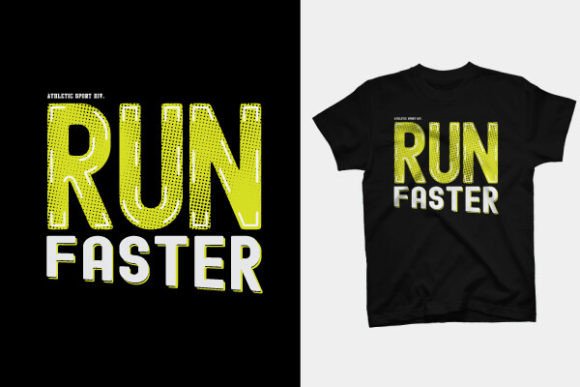
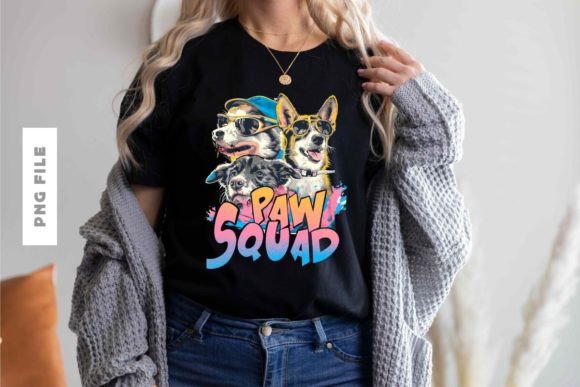
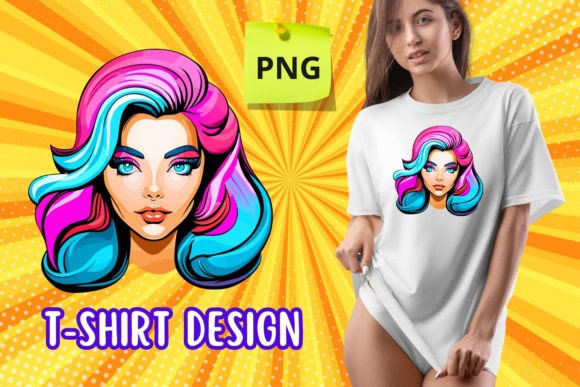
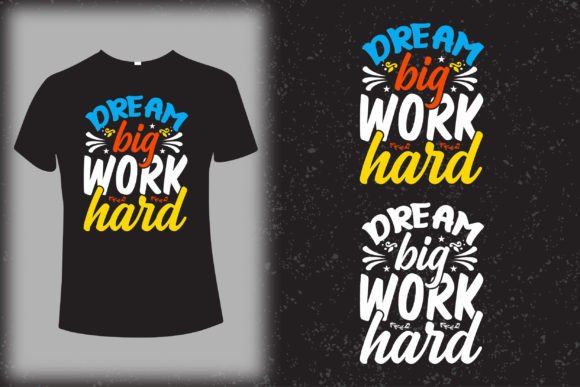
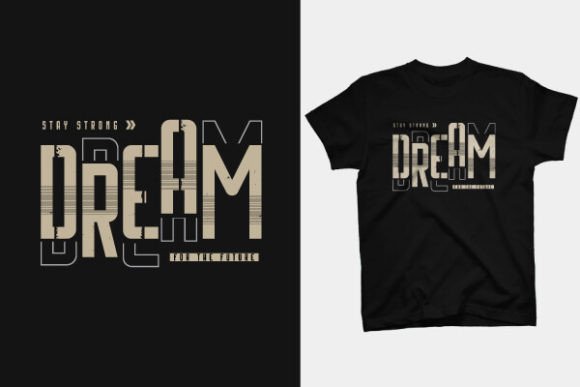
The "T SHIRT DESIGN - DREAM" collection enters the conversation here, bridging the gap between raw creativity and production-ready manufacturing. When we talk about this specific set, we aren't just discussing a random assortment of graphics. We are looking at a curated visual language. The appeal lies in the duality of the content: you have the raw, expressive energy of creative illustrations alongside the structured, communicative power of typographic designs. Visually, this combination offers a balance that is hard to find. A great illustration draws the eye, but the typography anchors the message. Whether you are a small business owner trying to create uniforms for your staff, or a hobbyist looking to print a one-of-a-kind gift, the aesthetic quality of these files ensures that the final product looks professional rather than homemade.
The Versatility of the Vector: From Screen to Stitch
One of the biggest headaches in the print-on-demand world is file management. We have all been there: a client loves a design, you send the JPEG, and the printer calls back asking for a vector file because the resolution is too low for a large back print. This friction kills momentum. The "T SHIRT DESIGN - DREAM" package eliminates this technical bottleneck by providing a comprehensive suite of file types: AI, EPS, SVG, and transparent PNGs. This isn't just a list of acronyms; it is the key to unlocking total creative freedom.
Consider the AI and EPS files. If you are working within the Adobe ecosystem, these are your master files. They allow you to deconstruct the design, change colors to match specific Pantone swatches for your brand identity, or scale elements up for a poster without losing a single pixel of quality. Then there is the SVG format, which has become the darling of the modern web and cutting machine world. If you are using a Cricut or Silhouette machine to cut heat transfer vinyl (HTV), SVGs are non-negotiable. They ensure the machine reads the paths perfectly, giving you clean cuts for intricate illustrations. Finally, the transparent PNGs are the workhorses for quick mockups and digital presentations. Having a transparent background means you can immediately drop these designs onto product mockups in Photoshop or Canva to see how they look on different fabric colors.
Practical Application: More Than Just T-Shirts
While the name suggests a focus on apparel, limiting these assets to just T-shirts would be a missed opportunity for any creative entrepreneur. The utility of high-quality typographic and illustrative assets extends far beyond the wardrobe. If you are building a brand, visual consistency is your strongest asset. You want your customers to recognize your aesthetic whether they are looking at your Instagram feed, your website header, or the tote bag you sell at a pop-up market.
Let’s look at how these specific design elements can be repurposed across your business ecosystem. For packaging design, a small, isolated element from a larger illustration can be turned into a sticker or a stamp for your shipping boxes. This adds a layer of unboxing experience that customers love. For social media graphics, the typographic designs can serve as bold headers for your stories or engaging call-to-action buttons in your ads. Because the files are high-resolution, they remain crisp and legible even when compressed by social media algorithms.
Furthermore, think about editorial design and blogs. If you run a lifestyle brand, breaking up text with relevant, stylistic illustrations keeps readers engaged. Instead of using generic stock photos, using custom assets from a collection like "T SHIRT DESIGN - DREAM" ensures your blog looks curated and intentional. It is about creating a visual vocabulary that speaks to your audience without words. The motifs in these designs—whether they are abstract shapes, nature-inspired illustrations, or bold lettering—can become the visual shorthand for your brand's personality.
Refining Your Visual Voice
Choosing the right design for a project is rarely about what looks "cool" in a vacuum; it is about alignment with the project's goals. This is where the concept of font pairing and illustration styling becomes critical. The typographic designs included in this set likely range from bold, attention-grabbing display fonts to more subtle, readable scripts. Knowing when to use which is a skill that separates amateur designers from professionals.
If you are designing for a music festival, you might lean toward the chaotic, high-energy illustrations and the boldest, most distorted typography available in the set. The goal is to convey excitement and noise. Conversely, if you are designing merchandise for a yoga studio or a wellness brand, you would likely utilize the more organic, flowing line work and the cleaner, sans-serif or script typographic options. The goal there is calm and clarity.
Don't be afraid to mix and match. A common mistake is using the illustration and the text exactly as they are packaged. The real value of having the AI and EPS files is the ability to customize. Perhaps you love the illustration but the text doesn't say what you need. Swap the text. Or maybe you want to combine two different typographic elements to create a new hierarchy. Use the bold style for the headline and a lighter weight for the subtext. This ability to remix ensures that while you are using a pre-made asset to save time, the final result is uniquely yours. It prevents the "template" look that can plague generic merchandise.
Production Realities and Commercial Viability
For the entrepreneur or small business owner, the bottom line is always important. You need assets that are not only beautiful but commercially viable. This means understanding the licensing and the technical requirements for mass production. A design that looks good on a computer screen but fails in the separation process for screen printing is useless.
The "T SHIRT DESIGN - DREAM" collection is structured with production in mind. When you are screen printing, complexity costs money. Having access to vector files allows you to assess the number of colors and the complexity of the paths. You can simplify a design if your budget requires a 3-color print rather than a 6-color print. For Direct-to-Garment (DTG) printing, which works like a standard inkjet printer but for fabric, the transparent PNGs are perfect because they handle gradients and complex color blends easily.
Always test your designs on different fabric colors. A dark illustration might look stunning on a white tee but disappear into a black hoodie. Because you have the source files, you can easily invert the colors or add a white outline (a "trap" or "outline" in design terms) to ensure visibility. This attention to detail is what builds brand recognition. When a customer buys a hoodie from you, they are buying a piece of your brand's visual identity. If that print cracks after two washes or the design is pixelated, it reflects poorly on your business. Using high-quality, professional-grade assets is an investment in your reputation.
Bridging the Gap Between Hobby and Profession
There is a distinct joy in creating something physical. In a world dominated by fleeting digital content, a printed T-shirt or a sticker feels permanent. It is a medium that travels. It is a walking billboard, a conversation starter, and a piece of art all at once. For the hobbyist, these files offer a playground of possibilities—you can finally print that idea you’ve had in your head without needing to be a master illustrator yourself. For the professional, they are a time-saver, a way to expedite the design process without sacrificing quality.
The visual appeal of the "T SHIRT DESIGN - DREAM" collection lies in its ability to capture a mood. "Dream" suggests aspiration, creativity, and the subconscious. The illustrations likely tap into themes of imagination and possibility, making them ideal for motivational merchandise, artistic projects, or brands that position themselves as forward-thinking. By leveraging these assets, you aren't just putting ink on fabric; you are curating an experience. You are giving your audience something to believe in, wear, and share. That is the true power of thoughtful design.