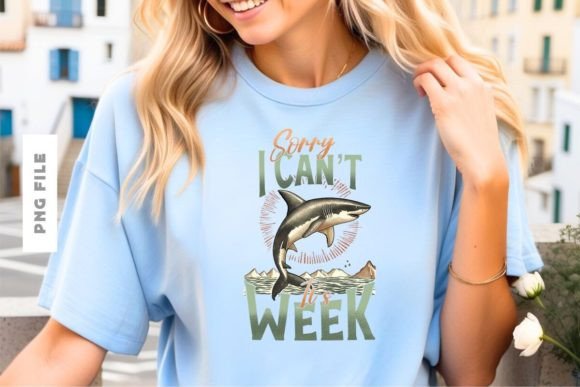
The 'Sorry I Can't' T-Shirt Design: Your Ultimate Ready-to-Print Asset
There’s a certain kind of magic in a design that needs no explanation. It’s a visual shortcut, a shared joke, a statement that lands perfectly with your audience before they’ve even read all the words. For creators, entrepreneurs, and designers, finding such a versatile asset is like striking gold. The "Sorry I Can't" t-shirt design is one of those rare finds—a piece that combines a universally relatable message with the technical specifications and flexibility needed for serious commercial use. It’s more than just a graphic; it’s a ready-made business tool, a conversation starter, and a blank canvas for your brand’s personality.
Why This Design Resonates and How to Use It
At its core, the appeal lies in its clever simplicity and emotional honesty. The phrase "Sorry I Can't" is a modern-day mantra. It’s a polite yet firm boundary, a humorous acknowledgment of being overwhelmed, or a playful excuse to skip the mundane. This relatability is the engine of its power. When printed on a hoodie or a mug, it doesn’t just decorate an item—it creates a connection. For a small business owner launching a line of apparel or a print-on-demand store, this immediate recognition is invaluable. It means your product already has a built-in audience, people who will see it, smile, and think, “That’s exactly how I feel.”
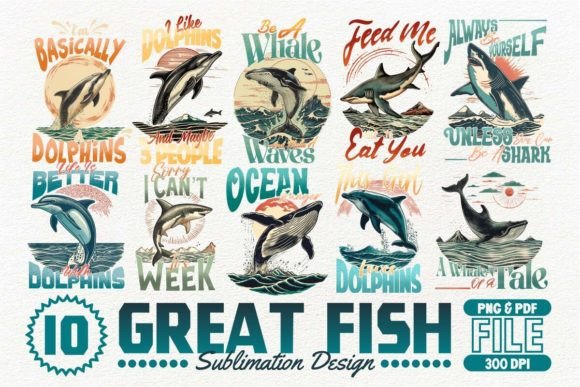
The practical applications extend far beyond a simple t-shirt. Think about a cozy café using the design on their staff aprons or selling it as merch. A freelance designer could feature it on a tote bag they carry to client meetings, subtly communicating their busy, in-demand status. For social media content creators, it becomes a perfect background element for a video or a standout graphic in a post about work-life balance. The design’s strength is its adaptability. Because it’s provided as a high-resolution, 300 DPI PNG and PDF file, you’re not just buying a picture; you’re acquiring a master asset. You can scale it for a small chest print on a polo shirt or blow it up for a bold back graphic on a hoodie without losing a pixel of clarity.
From Digital File to Tangible Product: Seamless Production
For anyone involved in manufacturing or merchandising, the technical details are what separate a good idea from a great product. This design is built for production. The 300 DPI resolution is the industry standard for high-quality printing, ensuring crisp lines and vibrant colors whether you’re using screen printing, which lays down thick, durable ink, or digital direct-to-garment (DTG) printing for detailed, photographic-quality results. It’s also perfectly suited for sublimation, a process that infuses ink directly into the fabric, making it ideal for all-over prints on performance wear or polyester blends.
The file formats included—PNG with a transparent background and PDF—cover the most common needs. The transparent PNG is a lifesaver for layering the design onto different colored garments or integrating it into other graphics. Imagine placing it over a busy pattern for a unique, artistic hoodie. The PDF ensures vector-like scalability for the clearest possible output on large formats like posters or wall art. This flexibility is a massive time-saver for screen printers and small production houses who need assets that work seamlessly in their existing workflows, from Adobe Illustrator to Silhouette Studio.
Building a Brand with a Relatable Voice
Visual consistency is the bedrock of brand recognition. Using a single, strong design element like this across multiple product lines and marketing materials creates a cohesive identity. A clothing brand known for witty, comfortable apparel can build an entire collection around this theme. The "Sorry I Can't" graphic could be the flagship design, accompanied by variations or complementary phrases, all sharing a similar aesthetic. This builds a recognizable style that customers will learn to seek out.
When it comes to pairing, the design’s clean, bold typography makes it incredibly versatile. It works beautifully on its own but also stands up to pairing with other design elements. Consider adding a small, simple icon above the text—a coffee cup, a laptop, a sleeping cat—to tailor it to a specific niche. For a more sophisticated look, it can be combined with a delicate script font for a subheading or a brand name. The key is to let the core message remain the hero. The provided files give you the foundation; your creativity builds the rest of the brand story.
Practical Considerations for Your Project
Before you hit "print," a few practical steps can maximize your success. First, always test your chosen printing method on a sample garment, especially if you’re working with a new fabric blend. Colors can shift between cotton, polyester, and tri-blends. Second, think about placement. A centered chest print is classic, but an off-center left chest print can feel more corporate or subtle, while a large back print makes a bolder streetwear statement. The design’s simple layout works for all of these.
Finally, understand the licensing. The clear statement that you are allowed to print an unlimited number of copies is crucial for commercial projects. It removes the anxiety of volume-based royalties and lets you focus on growing your business. Whether you’re printing ten shirts for a local event or ten thousand for a national launch, you have the peace of mind that comes with a proper commercial license. This design isn’t just a pretty picture; it’s a professionally prepared asset designed to fuel your creative and commercial ambitions, from the first prototype to full-scale mass production. It’s a starting point that respects your time, your craft, and your business goals.